
Joseph Papamatheakis
February 2, 2026 2026-02-02 12:04Joseph Papamatheakis
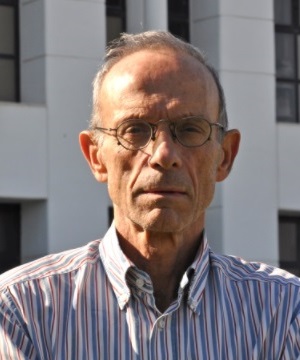
Joseph Papamatheakis
Professor Emeritus
Department of Biology
University Of Crete
Professor emeritus of Molecular Biology (Dept. of Biology, University of Crete). He has a joint research appointment with IMBB. Prof. Papamatheakis was born in Athens. He studied Medicine at NKUA. MD 1973. PhD in experimental tumor immunotherapy (NKUA, 1975). 1975-1979, Postdoctoral fellow in the
National Cancer Institute–NIH (tumor Immunology, adjuvants and antitumor macrophage activation, Interferon action, of avian tumor retroviral proteins, recombination of the SV40 virus). 1986, visiting scientist at NIH-NCI Frederick (Oncogenic retroviruses, Lentiviruses). EMBO fellow1979-1982 at Beatson Cancer Institute (globin gene cloning an expression) and Pasteur Institute –Paris (molecular structure and expression of the MHC class I genes). Assoc. Professor of cell & molecular biology (1983) and full Professor (1985) at the Dept of Biology -Un. of Crete. Chair of the Dept. Biology (2004-2007), vice-rector for Academic affairs (2007-2011) and acting director–IMBB (2010-2013). He is a group leader at IMBB since 1983. He is a member of various International Scientific Societies, and has served as a member or chairman in many selection committees for research or university faculty positions, grant evaluation panels (national, EU, ERC, Canada, Poland, Hungary, Italy, Holland) and reviewer for various journals molecular biology, cancer.
He has published more than 100 research papers in peer reviewed, high impact journals (h=35). Has has been coordinator or participant to various national, EU and international competitively funded research programs.
He has supervised and trained more than 20 MSc and PhD students. He is teaching undergraduate courses (Molecular Biology, Immunology, Molecular Oncogenesis), and graduate courses (Epigenetics and gene regulation, Molecular Imaging, Cancer stem cells, Bioethics). His scientific focus in mammalian gene regulation and over the years had important contribution to understanding the molecular the regulation of MHC class II genes that are crucial for antigen regulation and immune response. Through collaborative activities, he contributed to the development of cancer immunotherapy approaches, chemical inhibitors of acetyltransferase, stem cell biology and live fluorescent imaging.
More recently he shifted his research focus to gene regulation in cancer and more specifically of cancer stem cells (CSC) using cancer cell lines (breast, melanoma, transgenic mouse models (breast) and patients derived human glioblastoma for xenograft, molecular and drug studies. He currently studis: a. the role of PML protein network on tumor growth and CSC activity by cell assays, xenografts, transcriptomics and bioinformatics using ectopic expression/knock down of critical regulators. Since a crucial protein of the PML network is the p53 tumor suppressor, he currently develops computational and cell/tumor assays to interrogate the pro- or antioncogenic activity PML – p53 interaction along with their common targets genes in various tumor settings. b. in collaboration with N. Kretsovali –IMBB the role of PML in neuroinflammation and the ensuing protection vs degeneration using transgenic mice modeling Alzheimer’s disease (AD) and human AD specimens.